Celebrating India’s Cultural Unity and Creative Diversity
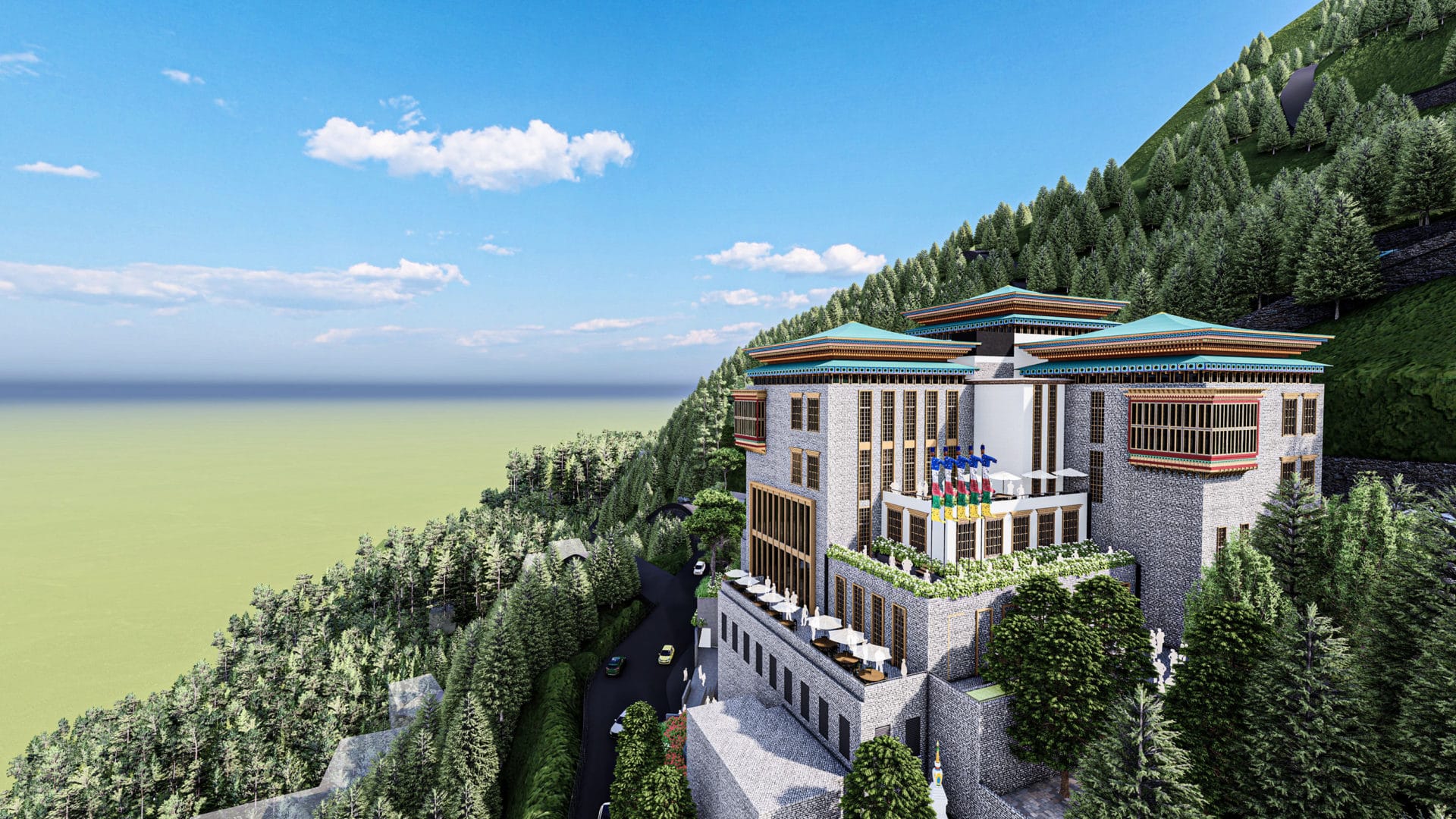
Unity Mall is envisioned as a landmark cultural and commercial destination in Gangtok, bringing together the diverse artistic traditions, regional identities, and craftsmanship of India under one roof.
The project is designed to showcase Geographical Indication products, One District One Product initiatives, handicrafts, handlooms, and artisanal traditions from every state and union territory, with dedicated representation for Sikkim’s six districts.
More than a retail destination, Unity Mall is conceived as an immersive public space where culture, commerce, community, and craftsmanship come together.
A Platform for India’s Artisans
At the heart of Unity Mall is a commitment to supporting artisans, craftspeople, self-help groups, entrepreneurs, and regional producers.
Dedicated retail and exhibition spaces provide visibility to authentic products associated with local knowledge, traditional techniques, and regional heritage. Visitors can discover a wide range of crafts, textiles, food products, artworks, and handmade goods representing the cultural richness of India.
By connecting artisans directly with wider markets, the project helps strengthen local economies, create employment opportunities, and preserve traditional skills for future generations.
Celebrating Sikkim
The mall gives special prominence to the cultural identity and creative traditions of Sikkim.
Products, crafts, cuisines, materials, and artistic practices from the state’s six districts are integrated into the visitor experience. This local representation allows Unity Mall to remain deeply rooted in its setting while serving as a platform for national cultural exchange.
The project becomes both a gateway to India’s diverse traditions and a showcase for Sikkim’s own heritage.
Architecture Inspired by Unity
The architectural vision reflects the idea of unity within diversity. Different cultural expressions are brought together through a cohesive spatial language, creating a building that feels varied yet connected.
The design combines retail spaces with plazas, courtyards, terraces, amphitheaters, gathering areas, and landscaped pause points. These spaces encourage movement, discovery, interaction, and participation throughout the development.
The architecture is intended to feel open, welcoming, and civic in character, strengthening the mall’s role as a public destination for residents and visitors alike.
Plazas and Public Courts
A network of plazas and courts forms the social framework of the project.
These spaces accommodate exhibitions, cultural performances, seasonal markets, festivals, community gatherings, and informal activities. They also create opportunities for visitors to rest, interact, and experience different aspects of Indian culture beyond conventional retail settings.
The transition between enclosed and open spaces gives the development a lively rhythm and allows public activity to extend across multiple levels.
Live Craft and Cultural Experiences
Unity Mall provides spaces where visitors can observe artisans at work and understand the processes behind traditional products.
Live demonstrations, workshops, storytelling sessions, craft displays, and interactive events transform shopping into an educational and cultural experience. These activities allow visitors to connect with the people, skills, and histories behind the products they purchase.
The mall therefore becomes a place of learning and cultural exchange, rather than simply a marketplace.
Amphitheaters and Event Spaces
Integrated amphitheaters and performance areas support music, dance, theatre, talks, craft demonstrations, and community celebrations.
These flexible spaces allow the project to host a changing calendar of cultural and public events. Regular programming creates new experiences throughout the year and encourages visitors to return repeatedly.
The event spaces also provide a platform for local performers, artists, cultural organisations, and educational institutions.
A Multi-Sensory Visitor Experience
Unity Mall is planned as a multi-sensory environment shaped by colour, texture, sound, movement, aroma, landscape, and regional materiality.
Visitors can experience traditional crafts, regional cuisines, live performances, landscaped courts, and changing exhibitions as they move through the building. This diversity creates an engaging journey with moments of activity, pause, discovery, and reflection.
The experience is designed to appeal to residents, tourists, families, students, cultural enthusiasts, and international visitors.
Ecological and Sustainable Design
Environmental responsibility is central to the design approach.
The building incorporates climate-responsive planning, energy-efficient systems, natural daylight, controlled solar exposure, efficient circulation, and green open spaces. Sustainable materials and locally appropriate construction strategies help reduce environmental impact while strengthening the project’s connection to its context.
Landscaped courts, shaded terraces, and planted gathering spaces improve thermal comfort and create a healthier public environment.
Energy-Efficient Planning
The orientation and massing of the building are developed to optimise daylight while limiting unwanted heat gain. Shading devices, efficient glazing, natural ventilation opportunities, and carefully designed openings contribute to reduced energy demand.
Water conservation, responsible waste management, efficient building services, and the integration of renewable-energy strategies further support the project’s sustainability goals.
Supporting ODOP and GI Products
Unity Mall provides a prominent marketplace for products recognised under the One District One Product and Geographical Indication initiatives.
These products represent the distinctive knowledge, resources, skills, and cultural identities of their regions. By presenting them within a high-quality national platform, the mall helps improve awareness, market access, product visibility, and economic opportunity.
The development also encourages visitors to recognise the value of authenticity, origin, and traditional craftsmanship.
Strengthening Local Economies
Through retail opportunities, exhibitions, events, workshops, hospitality, and cultural programming, Unity Mall contributes to employment generation and economic activity.
The project creates opportunities for artisans, producers, performers, retailers, guides, service providers, and local businesses. Its role as a cultural tourism destination can also support the wider hospitality and tourism economy of Gangtok.
A Symbol of National Integration
Unity Mall represents the shared cultural identity of India while celebrating the uniqueness of its regions.
By bringing products and traditions from across the country together in one destination, the project encourages cultural understanding, exchange, and appreciation. It reflects the idea that diversity is not separate from unity, but the foundation of it.
Advancing the Spirit of Make in India
The project supports the spirit of Make in India by promoting locally produced goods, indigenous skills, regional entrepreneurship, and traditional knowledge systems.
It provides a contemporary platform for heritage-based industries and demonstrates how culture, design, commerce, and sustainability can work together to create inclusive economic growth.
A New Cultural Destination for Gangtok
Unity Mall is conceived as a vibrant civic landmark where people can shop, learn, gather, perform, celebrate, and connect.
Through its integration of retail, culture, landscape, sustainability, and public life, the project creates a distinctive destination that honours India’s artisans, strengthens local livelihoods, and celebrates the country’s extraordinary cultural diversity.